



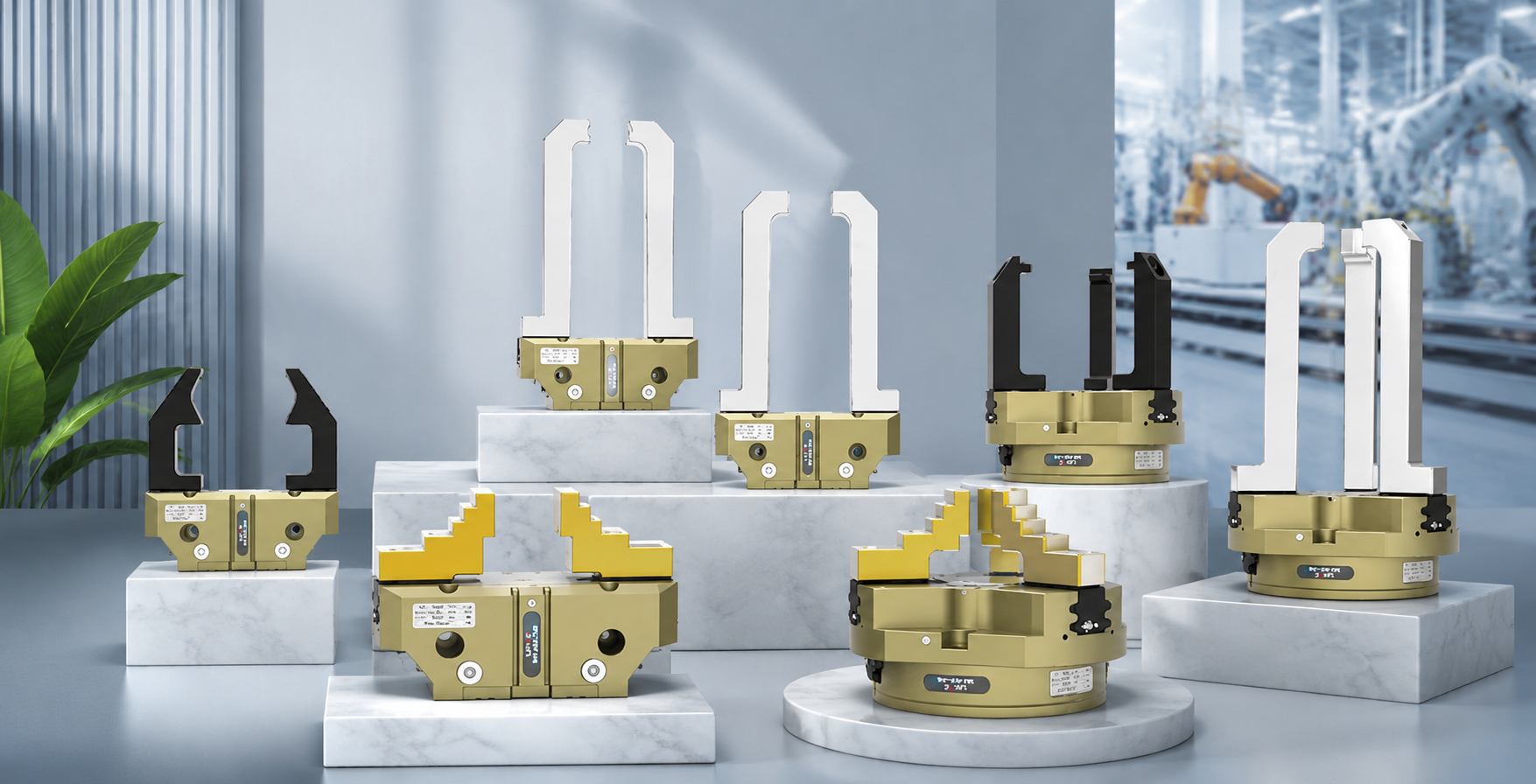
In the rapidly evolving landscape of smart manufacturing, efficiency is the name of the game. At the heart of most high-speed assembly lines lies the pick and place robot gripper. This critical end-of-arm tooling (EOAT) is the physical interface between a robotic arm and the product, determining the success of the entire automation cycle.
Choosing the right robotic pick and place gripper is essential for maximizing automation efficiency. It’s about optimizing cycle times and ensuring product integrity. A mismatched gripper can lead to dropped parts, damaged goods, or unnecessary downtime. Whether you are handling delicate electronic components or heavy automotive parts, the gripper’s design must align with the payload’s geometry, weight, and material.
To achieve a seamless workflow, you must understand the diverse technologies available:
Mechanical Grippers: These utilize fingers (usually 2 or 3) to physically grasp an object. They provide high precision and a secure hold, making them a staple for standardized parts.
Vacuum Grippers: Ideal for flat, non-porous surfaces. They are often the preferred industrial robot gripper for packaging and palletizing due to their speed and versatility.
Pneumatic vs. Electric: Pneumatic grippers are prized for their high force-to-weight ratio and durability in harsh environments. In contrast, electric grippers offer finer control over force and position, which is essential for collaborative robot (cobot) applications.
When searching for the ideal pneumatic robot gripper, engineers must look beyond the price tag.
Stroke and Force: Does the gripper have enough travel to accommodate part variations? Is the gripping force adjustable to prevent crushing fragile items?
Environment: Will the gripper operate in a cleanroom, or is it exposed to metal shavings and cutting fluids? IP-rated sealing is vital for longevity.
Integration: How easily does the pick and place robot gripper communicate with your existing PLC or robot controller? Plug-and-play compatibility can save weeks of programming.
The industry is moving toward “Smart Gripping.” Modern pick and place robot gripper systems now incorporate tactile sensors and AI-driven vision systems. This allows the robot to detect if a part is misaligned or if the grip is slipping, adjusting in real-time without human intervention.
Investing in a high-quality pick and place robot gripper is an investment in your facility’s overall equipment effectiveness (OEE). By matching the gripper technology to your specific application needs, you ensure a faster ROI and a more resilient production line. As automation continues to scale, the flexibility and intelligence of your grippers will be what sets your operation apart from the competition.
Looking for the right pick and place robot gripper for your automation project?
Contact LH-TC to explore customized EOAT and robotic gripping solutions for high-speed industrial applications.


In high-end automation scenarios such as automotive manufacturing, EV batt…

In heavy-duty material handling and welding applications, the consequences…

In modern manufacturing, reliable workpiece handling is essential for main…

A jaw parallel gripper is a widely used pneumatic gripping device designed…

A 2 jaw pneumatic gripper is a compact and reliable end-of-arm tooling sol…
+86 19137105901
Chat online




 Language